


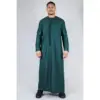
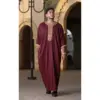


Across the Muslim world, the thobe has quietly evolved through centuries of change. It began as clothing made for comfort in hot, dry climates and grew into something much deeper. It reflects faith, identity and pride, and continues to carry meaning for every generation in its own way.
For some people, the thobe symbolises tradition, modesty and continuity. For others, it represents confidence in modern Muslim identity. Each generation wears it differently, yet the connection to culture remains constant.
The Traditional Meaning of the Thobe
In earlier generations, the thobe was part of daily life. It reflected discipline, modesty and respect. Wearing a freshly pressed white thobe was considered a sign of dignity and good character. It was worn for prayer, work and family occasions, serving both practical and spiritual purposes.
The design suited the climate perfectly. The ankle-length cut and loose fit allowed air to move freely, keeping the wearer cool in temperatures that could rise above forty degrees Celsius. Cotton and linen were the most common fabrics because they were soft, breathable and easy to maintain. In cooler regions such as northern Oman and parts of Yemen, heavier weaves and wool blends were used to add warmth.
For many older men, the thobe still stands for simplicity and integrity. It remains a reminder of the values that shaped their generation and a symbol of modest living.
The Thobe as a Cultural Identifier
Across the Arab world, small details in the thobe tell you where a person is from and what traditions they follow. In Saudi Arabia, it often features a stiff collar and buttoned cuffs, worn with a ghutra or shemagh. In Oman, the dishdasha has a round neckline and a short decorative tassel known as the tarboosh. In the United Arab Emirates, the kandura is collarless and made from lightweight fabric suited to the Gulf’s humidity.
These variations developed through centuries of craftsmanship. Many traditional tailors, known as khayyat, still use hand-measured techniques passed down through families. Small differences in stitching, fabric or button shape often indicate where a person is from. For older generations, these distinctions represent pride and identity, linking them to their community and homeland.
The Modern Generation’s Perspective
Younger generations have given the thobe new life. It remains essential for religious and family gatherings, but it has also become part of everyday wardrobes. Slimmer cuts, short sleeves and modern colours such as grey, beige and navy have made the thobe more versatile.
Social media has influenced this shift too. Young men often pair their thobes with watches, loafers or trainers, creating a balance between modesty and style. The thobe has become a confident expression of identity that connects modern life with long-standing tradition.
Shared Respect Across Generations
Although styles and fabrics change, the meaning of the thobe remains the same. Older generations value its traditional form and religious symbolism. Younger men appreciate its comfort and versatility. Both understand that it represents something lasting and meaningful.
The thobe continues to evolve while preserving its essence. It connects people to their faith, their families and their culture. Each generation leaves its mark on this enduring garment, ensuring the thobe remains a true reflection of Muslim identity around the world.
